Light as the Primary Tool
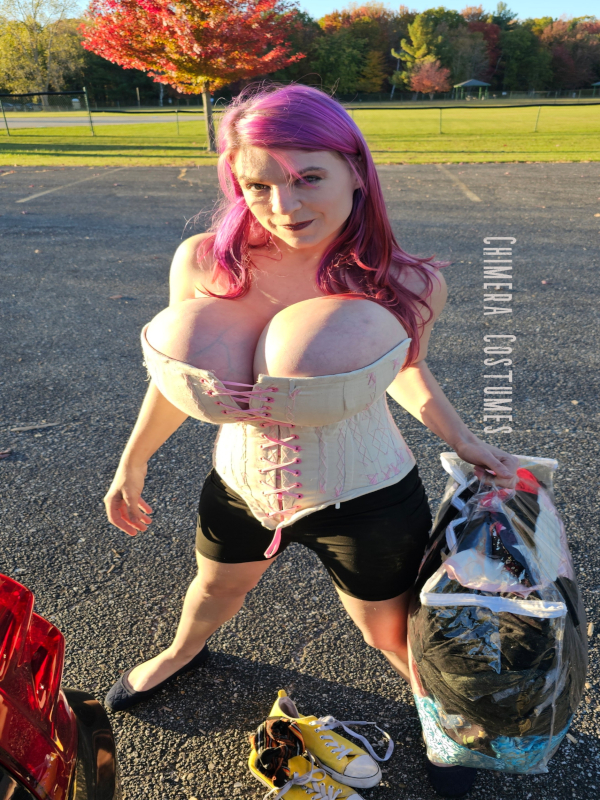
The difference between good and great cosplay photography is almost always light, not gear. Soft, directional natural light — open shade, or the hour after sunrise/before sunset ("golden hour") — creates dimensional shadow that reveals costume texture (fabric weave, armor edges, paint layers) and the human form at the same time. Hard, direct overhead light flattens both, which is why midday sun is the hardest light to shoot flattering cosplay in, regardless of how elaborate the costume is. Shooting outdoors in natural light wherever possible is less about aesthetic preference and more about working with light that does the job for you.
Environment as Narrative
The strongest cosplay photography places the character in a world, not just in front of a background — a forest, ruins, water, an urban setting chosen to extend the character's implied story into a real location, rather than treating the setting as neutral backdrop. This is a compositional decision as much as a location one: framing that includes environmental storytelling (a doorway, a texture, negative space suggesting scale) reads as more intentional than a subject centered against scenery.
Camera Height and Posing for a Full Bust
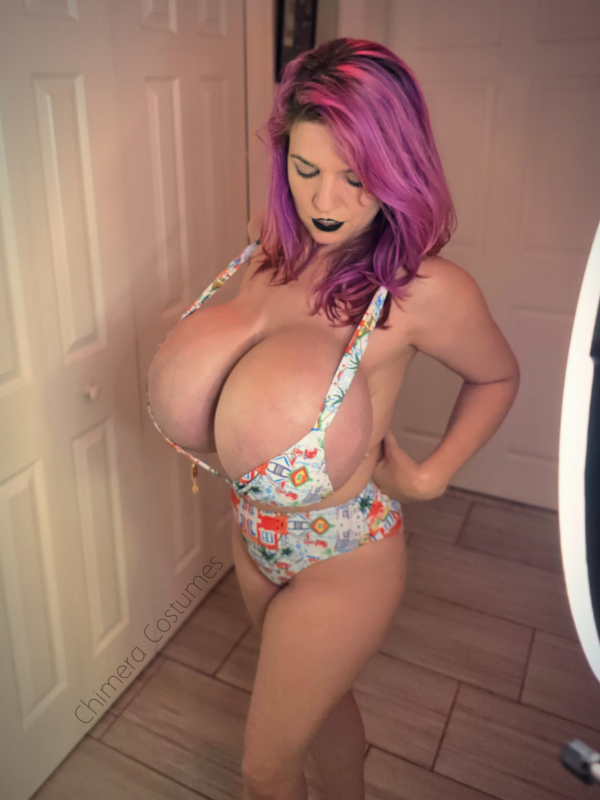
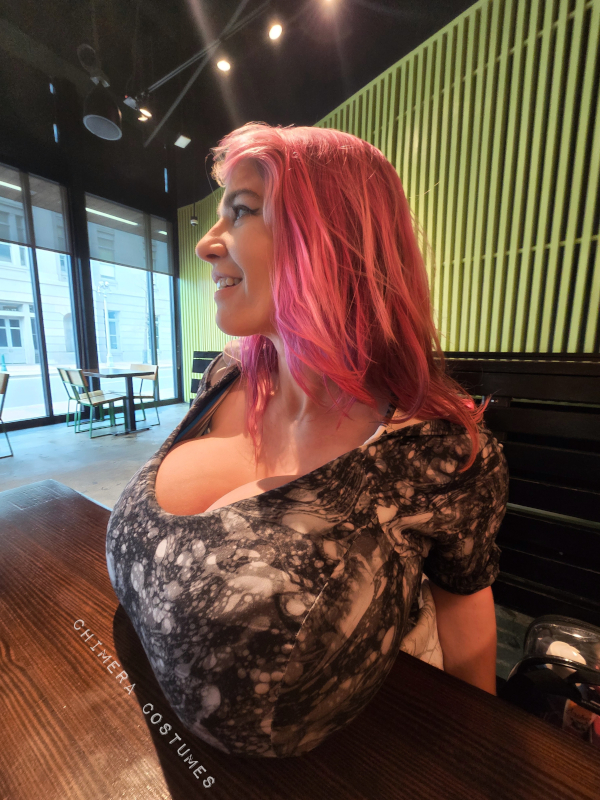
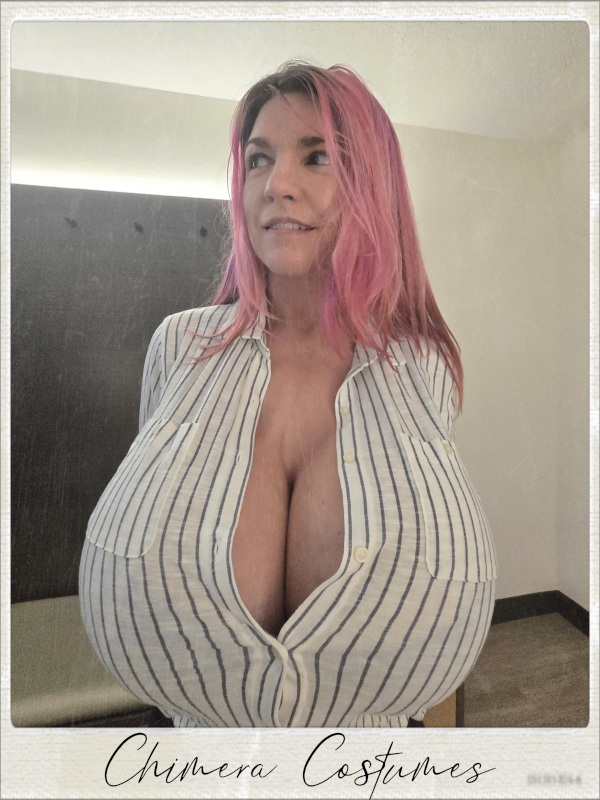
Camera positioned at or slightly above eye level tends to create more balanced, flattering frames for a full-busted subject than a low angle, which can distort proportion. A three-quarter body turn (rather than square to the camera) creates silhouette depth and avoids the flattening effect of a fully frontal pose. Posing that reflects the character's intent — a warrior's stance, a sorceress's gesture — reads as more convincing than generic model posing dropped into a costume.