Natural Window Light
Position yourself facing a large window with soft, indirect daylight — north-facing light (in the northern hemisphere) or an overcast day gives the most even, flattering result, since direct sun creates harsh shadows and blown-out highlights that are hard to correct after the fact. A white surface (a sheet, foam board, or reflector) placed opposite the window bounces light back into the shadow side, softening the contrast without adding a second light source.
Equipment That Actually Matters
A modern smartphone on a tripod with a self-timer or remote shutter produces genuinely good results — the phone isn't the limiting factor, stability and light are. A mirrorless camera with a fast prime lens (wide aperture, like f/1.8) gives more control over depth of field and low-light performance, but it's a refinement, not a requirement. Prioritize a stable platform (tripod, stacked books, whatever's steady) over camera quality — camera shake ruins more shots than sensor limitations do.
Framing and Angles
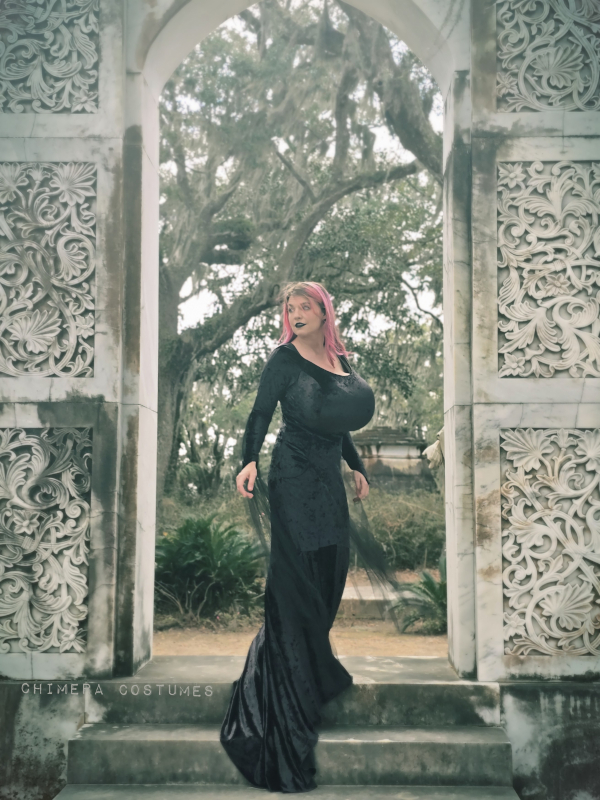
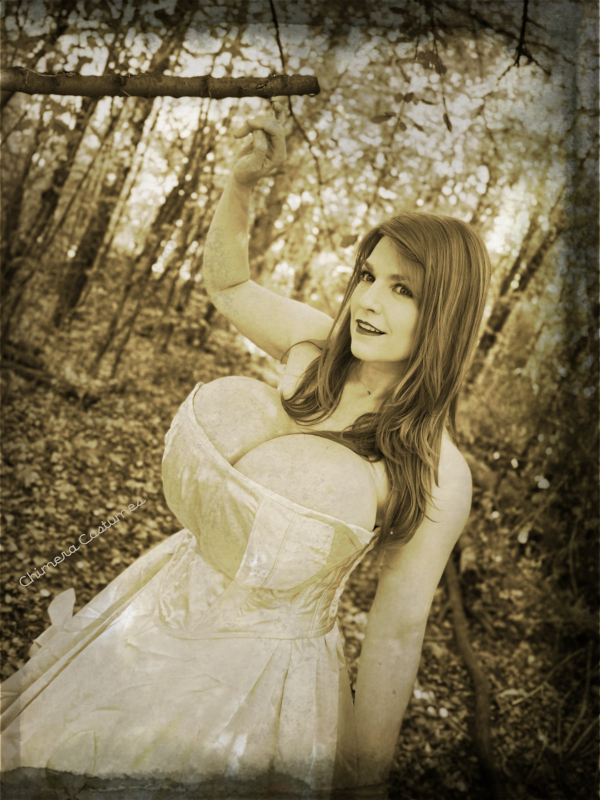
Shooting from slightly above eye level is generally more flattering than below, and a slight body turn (rather than facing the camera square-on) tends to read as more natural and dynamic than a straight frontal pose. Test a few angles early in the shoot rather than committing to one setup for the whole session.
The Mindset
Know your best angles going in — a few minutes in a mirror beforehand beats guessing during the shoot. Choose clothing and setting that reflect genuine preference rather than what you think you're supposed to like. Shoot more frames than feels necessary: confidence and ease genuinely increase over the course of a session, and the strongest images are usually from later in it, not the first few minutes.