The Political History
Dress has been political for as long as it's been documented. The corset was genuinely a battleground for competing visions of femininity across roughly a century, tied up with debates about mobility, health, and who got to define proper feminine appearance. The "bra-burning" image associated with 1960s feminism is largely a media myth — the 1968 Miss America protest that originated it involved a symbolic "freedom trash can" where items including bras were discarded, not burned — but the image stuck because it captured something real: a rejection of garments perceived as externally imposed constraint. Contemporary feminist fashion discourse is more nuanced than any single symbolic garment: the live question isn't which specific clothing is or isn't acceptable, but who holds the power to decide that in the first place.
Agency and Adornment
Contemporary feminist approaches to fashion generally center agency over any specific dress code — the right to dress for yourself rather than for external approval, to choose garments based on your own aesthetic values, and to reject the idea that any particular clothing choice carries fixed political meaning independent of the person choosing it. That framing applies as much to modest dress as revealing dress; the emphasis is on who's making the choice, not what the choice is.
The Full Bust as Political Territory
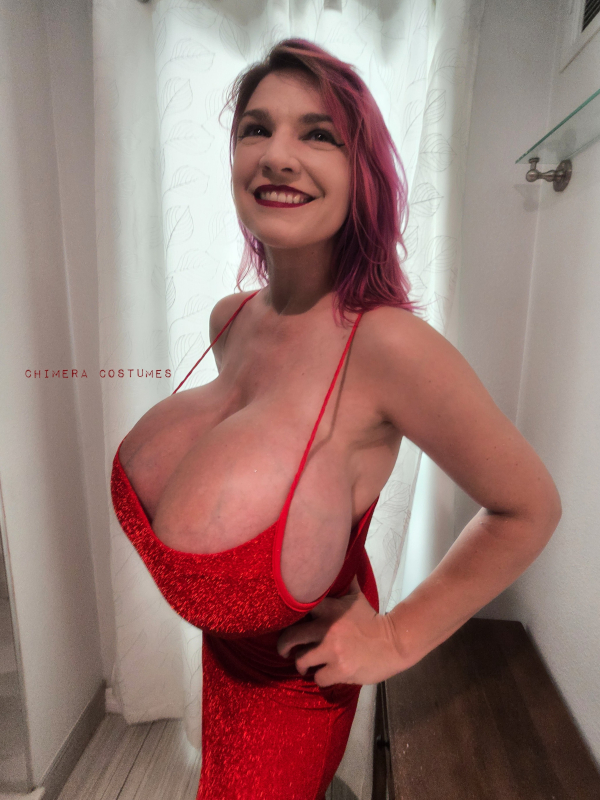
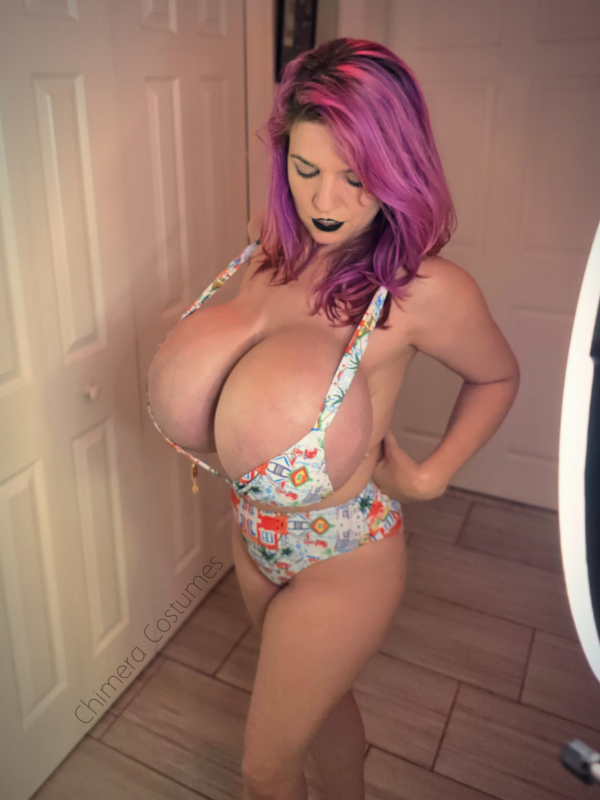
A full bust exists in a culture that simultaneously sexualizes and stigmatizes large breasts, often in the same breath — which makes it, whether a given creator wants it to be or not, contested territory. Creators like Heidi at Chimera Costumes navigate that by asserting ownership of the narrative directly — making her body a deliberate, controlled part of her creative work on her own terms, rather than a subject other people get to define for her.



◆ Featured Creator ◆
Heidi of Chimera Costumes
Subscribe on OnlyFans (18+) · Join on Patreon · Free content at ChimeraCostumes.com, Instagram & Twitch.